
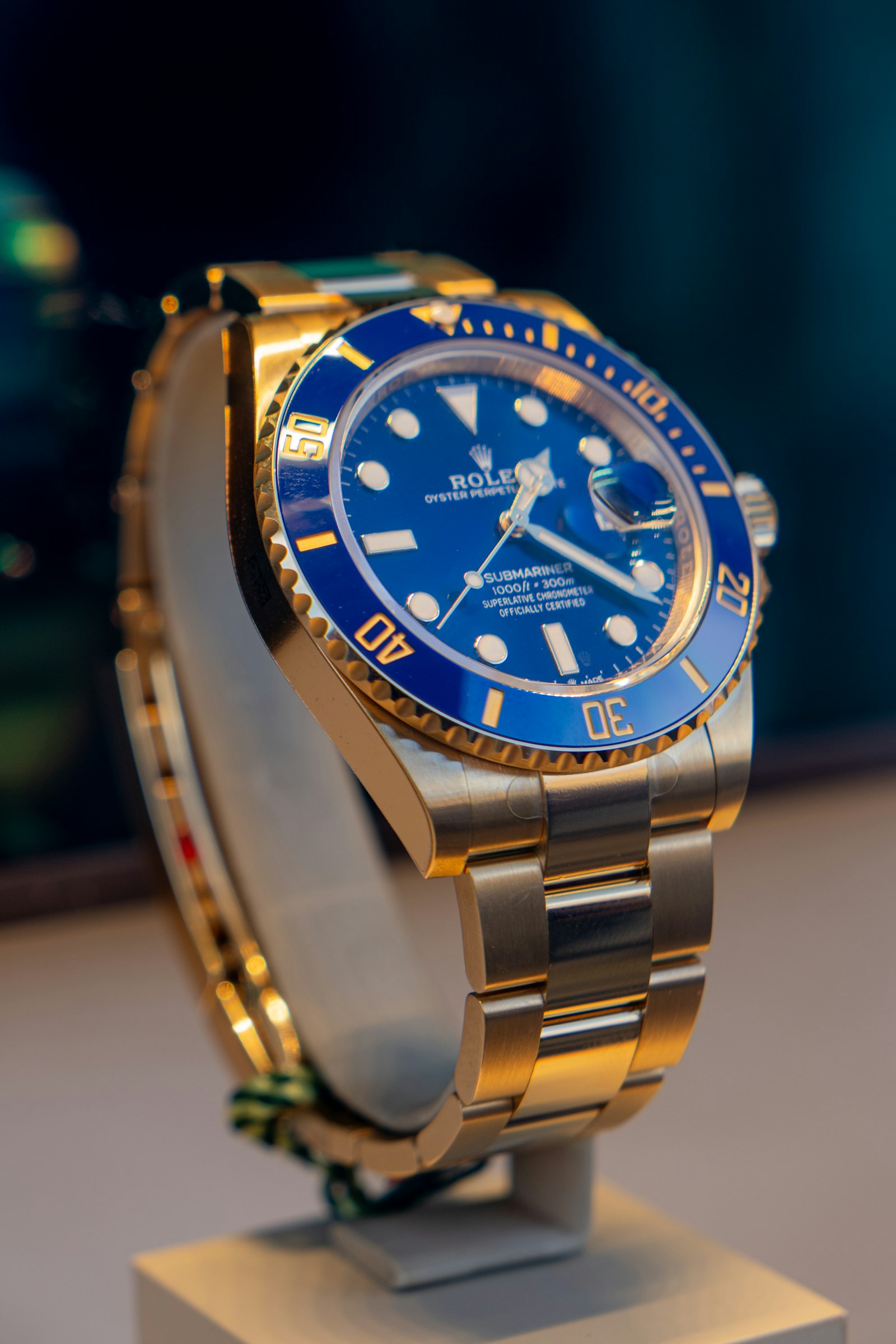
Few watches sit at the intersection of sport, status, and scarcity like the Rolex Cosmograph Daytona. Whether you approach it as a collector or an investor, the same principle applies: buy the best example you can, and buy it for the right reasons.
Rolex introduced the Daytona in 1963 as a racing chronograph. Over time, it became a cultural icon, driven by unmistakable design and one of the strongest demand profiles in modern collecting.
A quick reality check: watches are not guaranteed investments. Prices move with taste, macro conditions, and availability. Use this guide to reduce risk and make smarter decisions, not to chase short-term returns.
What creates value in a Daytona is never just the name on the dial. Reference, era, dial configuration, materials, condition, and completeness all stack together. Two watches that look similar online can be dramatically different in person once you account for originality.
In vintage Daytona collecting, originality is the foundation. Early references and period-correct components can be the difference between an important watch and an expensive compromise. Dials, bezels, pushers, hands, and case proportions should make sense together for the era.
The famous "Paul Newman" story is often simplified, but the collector lesson is clear: details matter. Rare dial variants, correct fonts, and consistent aging patterns are where value concentrates, and also where costly mistakes happen.
Modern Daytonas can be easier to vet, but they are not risk-free. Focus on clean condition, matching paperwork, correct bracelet/clasp details for the production period, and a story that checks out. In this segment, liquidity is often tied to "full set" completeness.
When comparing eras, think in three buckets: vintage (story and rarity), neo-vintage (collectibility with everyday wearability), and modern (high liquidity, but more sensitive to hype cycles). Decide which bucket fits your goals and your risk tolerance.
Condition is more than "does it look shiny." Over-polishing can soften sharp case geometry and reduce desirability to experienced buyers. On bracelets, excessive refinishing and stretch can be expensive to correct. On bezels, incorrect replacements can quietly impact value.
Provenance is the quiet multiplier. Original receipts, warranty cards, service documentation, and honest seller history increase confidence and open up future resale options. If dates, accessories, or details do not align, assume you are buying a problem.
Where you buy matters as much as what you buy. Established dealers and top auction platforms price in vetting and support. Private deals can be cheaper, but you are also taking on authentication risk, escrow logistics, and dispute risk yourself.
A practical strategy is simple: choose the reference you truly want, set a budget that includes service and insurance, then wait for the right example. In hot markets, the temptation is to compromise; in calmer markets, the opportunity is to upgrade condition and completeness.
If you ever plan to sell, think about liquidity from day one. Classic configurations tend to be easier to place than niche variations or heavily customized pieces. Keep everything: boxes, cards, booklets, extra links, and service papers are part of the asset.
The Daytona earns its reputation because it works on two levels: a beautiful chronograph and a symbol that transcends the hobby. When you buy with a collector's eye—originality, condition, and completeness—you give yourself the best chance of long-term satisfaction and value retention.
"The best time to buy a great watch was yesterday. The second best time is today."
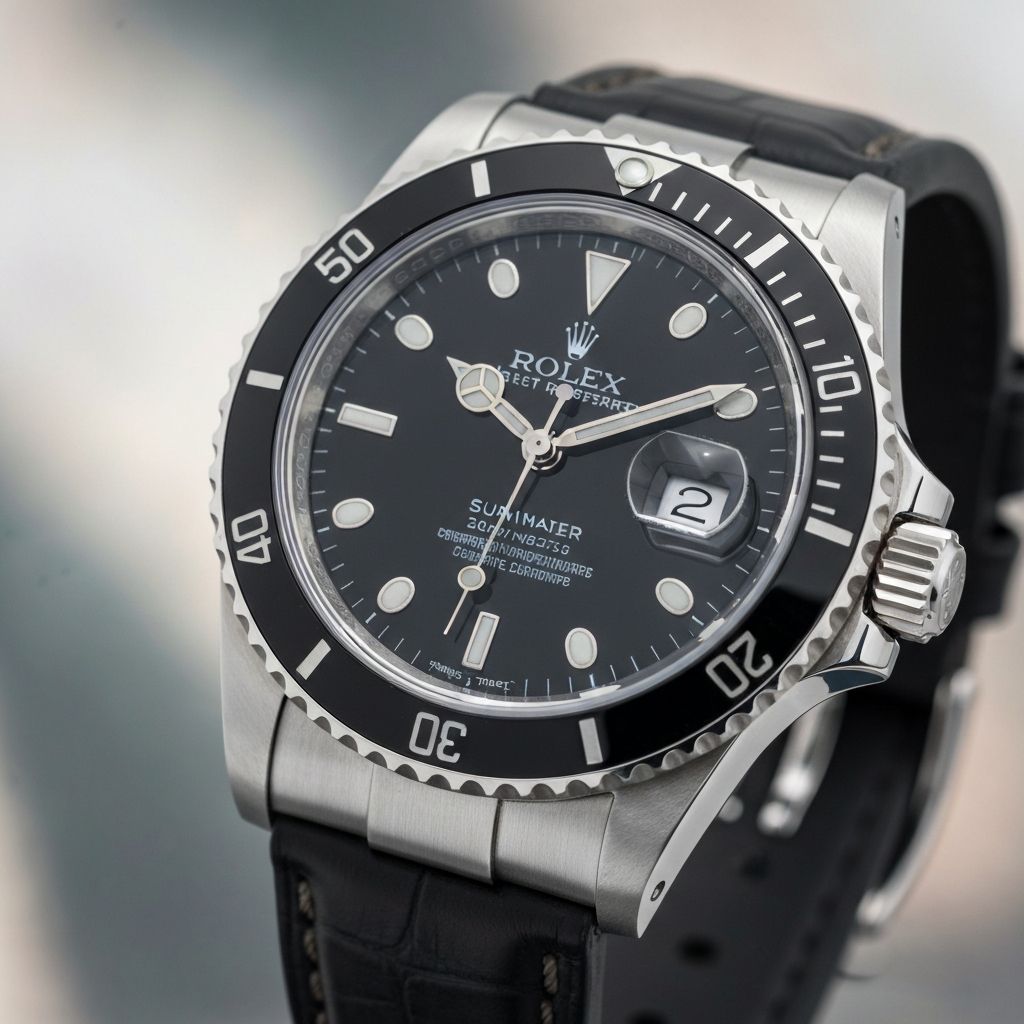
Featured Timepiece
Rolex Submariner Date
An iconic dive watch representing the perfect blend of form and function.
View Similar Watches