
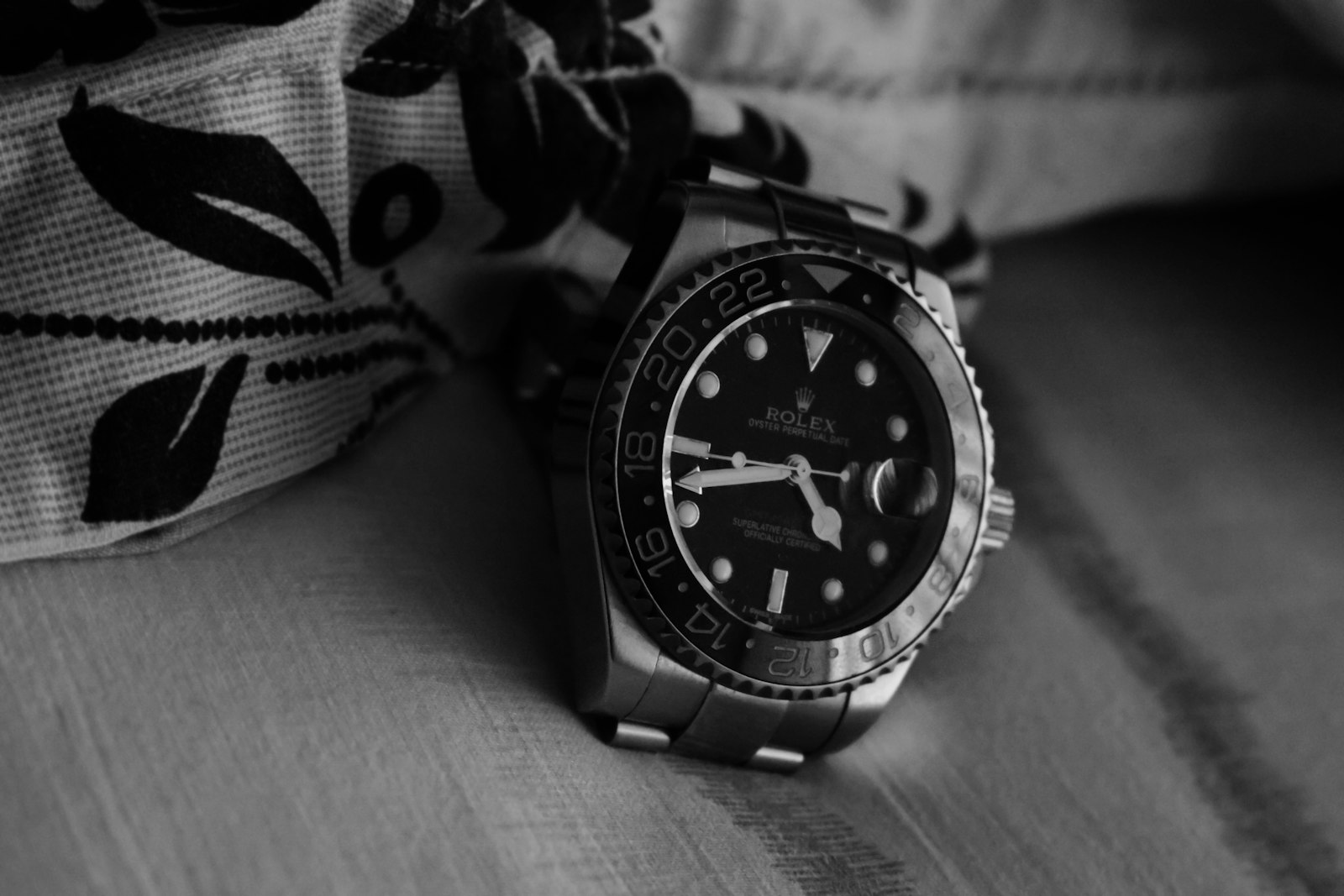
Authenticating a luxury watch is less about finding one magic tell and more about building confidence through consistency. The goal is simple: the watch, its parts, and its story should all make sense together.
Start with the seller, not the watch. Reputation, transparency, and return policies reduce risk more than any single detail you can spot in a photo. A trustworthy seller will welcome questions and provide clear answers.
Next, verify the basics: brand, reference, size, and expected configuration. Make sure the dial, bezel, case material, and bracelet type match what that reference should be. If a listing is vague about these fundamentals, treat it as a red flag.
Documentation matters, but it is not proof by itself. Warranty cards and receipts can be lost, replaced, or mismatched. Use paperwork to support the story, not to replace a proper evaluation of the watch.
Condition should align with age. Wear patterns on the case, bracelet, clasp, and dial should feel consistent. A watch that is "too perfect" without an explanation can be as suspicious as a watch that looks overly worn.
Pay special attention to the dial. Printing quality, alignment, applied markers, lume plots, and date window proportions are areas where inconsistencies often show up. On many watches, the dial is also the part most frequently swapped during service or altered by third parties.
Case geometry is another key signal. Sharp edges, clean transitions, and correct proportions matter. Over-polishing can remove metal and soften lines, which affects both authenticity confidence and long-term value.
If you are buying remotely, request a consistent set of photos: straight-on dial, multiple angles of the case, clasp and bracelet, rehaut/engraving areas where applicable, and any serial/reference markings that can be shared safely. Ask for photos in natural light and avoid heavily filtered images.
For modern watches, serial and reference engravings should be clean and consistent, not shallow or messy. For vintage watches, expectations vary by era, so it is important to compare against known correct examples and consult a specialist when needed.
When the purchase is meaningful, use professional help. An independent watchmaker can confirm movement condition and correctness. A brand service center can often verify legitimacy during service intake, but policies vary—so ask before you rely on that route.
Be cautious with "Franken" watches: pieces assembled from correct-looking parts across different periods. They can be difficult to spot without deep knowledge, and they can be expensive to unwind later.
Finally, trust your instincts. If the deal feels rushed, the story keeps changing, or the seller avoids basic questions, walk away. The right watch is never the one that pressures you.
Authentication is a process, not a moment. With a calm checklist and a willingness to get expert support, you can buy with confidence and enjoy your watch the way it was meant to be enjoyed.
"The best time to buy a great watch was yesterday. The second best time is today."
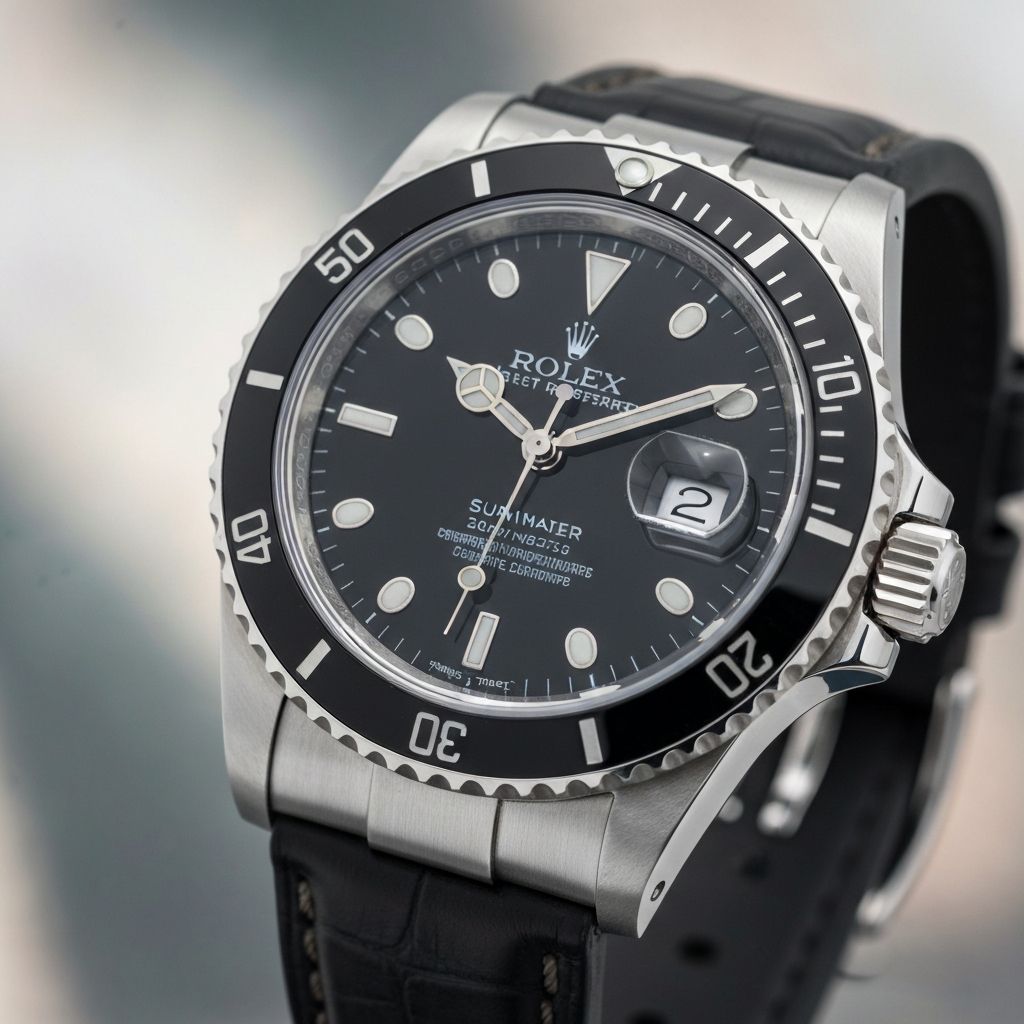
Featured Timepiece
Rolex Submariner Date
An iconic dive watch representing the perfect blend of form and function.
View Similar Watches